Milling Road: Reinterpreting Design History
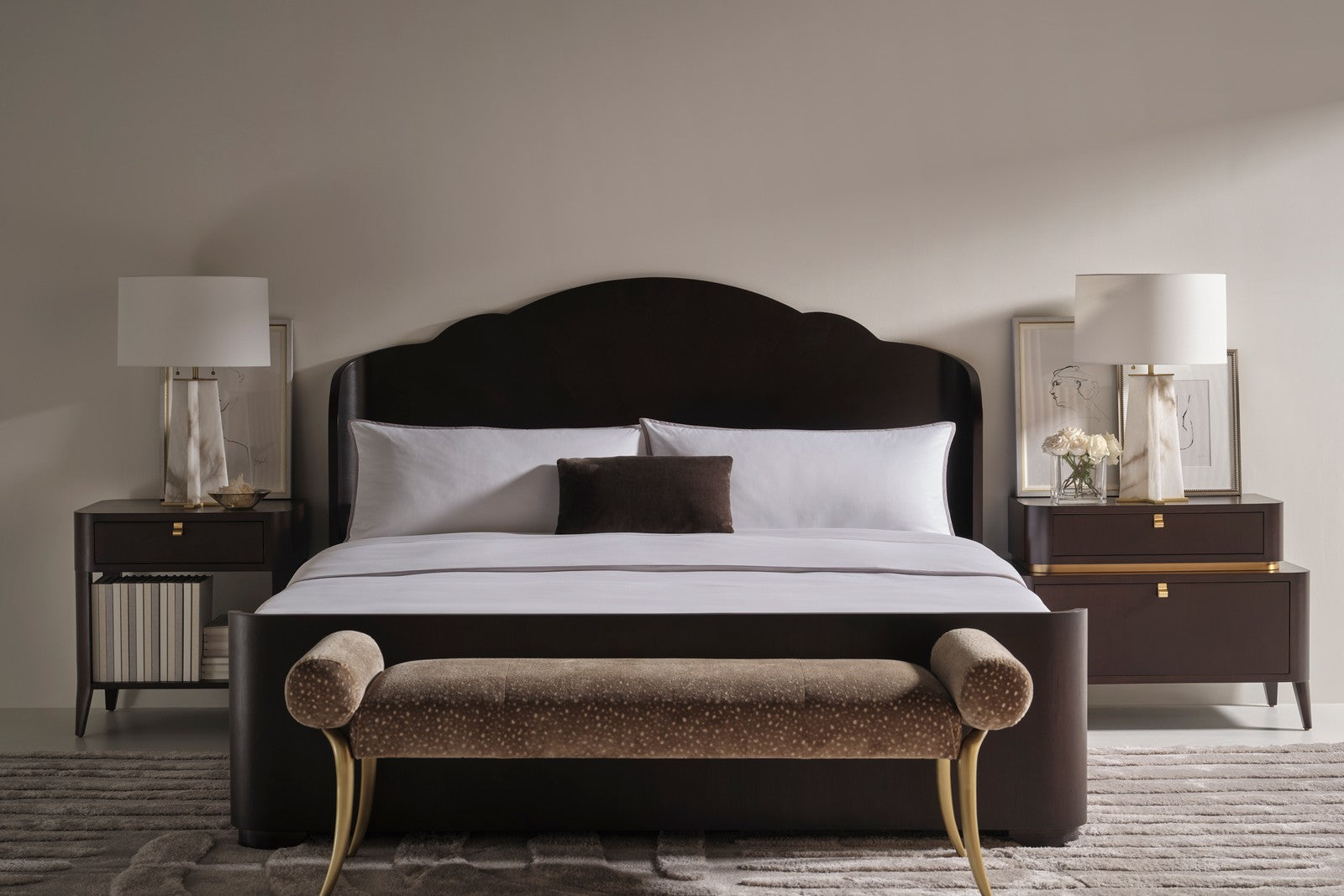
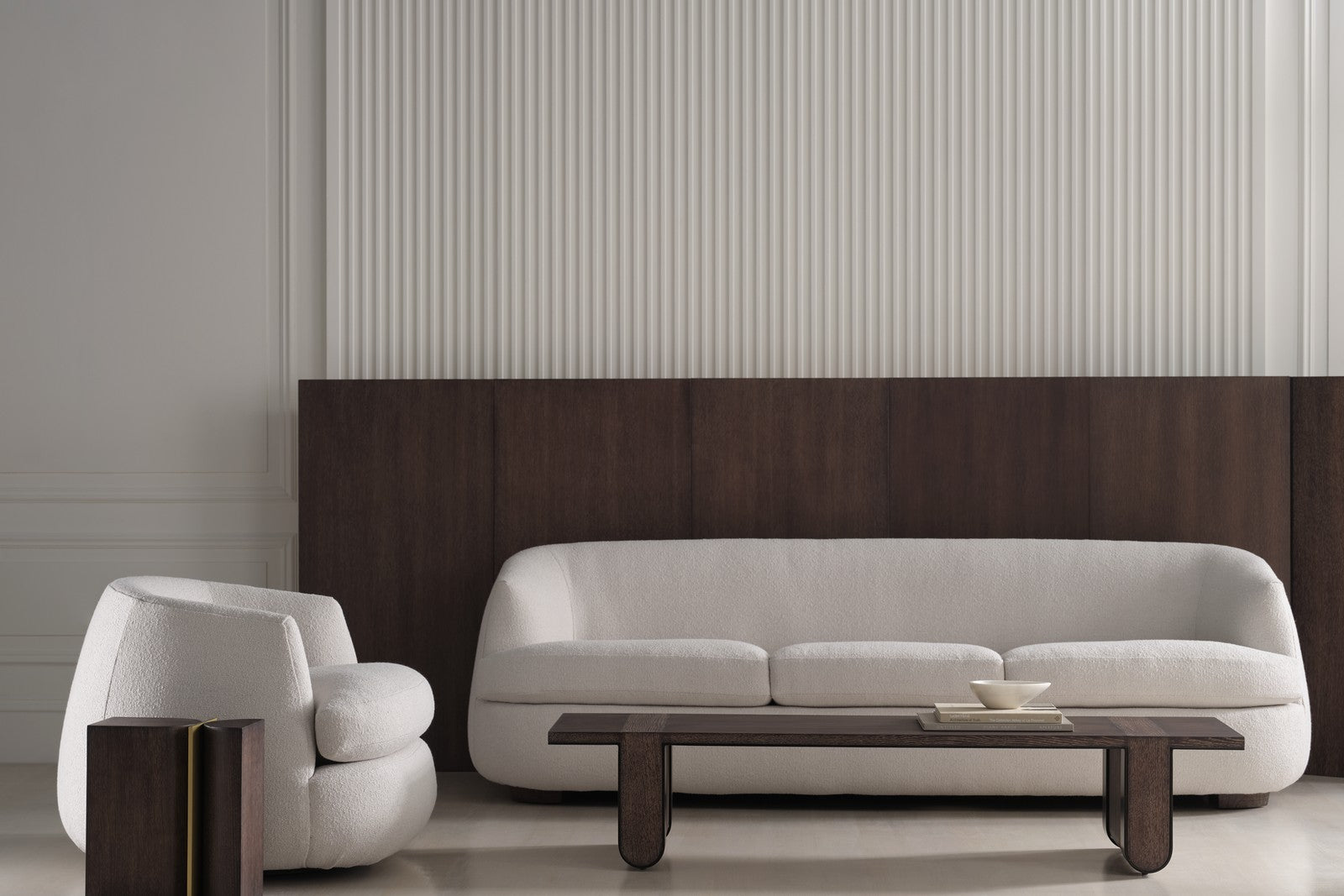
Milling Road is Baker Furniture's line built around European references, drawing from French antique shops and English royal estates and pulling those sources into forms that work in a contemporary room. The approach is reinterpretation, not reproduction. Sutter & Vale carries the full range through the Milling Road collection.
What Is Milling Road, and Where Does the Line Come From?
Milling Road's own statement names the goal directly: "to constantly reinterpret design history, discreetly moving forward to explore the delicacy of invention." The sources are European. French antique shops and English royal estates provide the vocabulary, and the pieces translate that vocabulary into furniture that functions in a contemporary room without announcing its references too insistently. The line sits within Baker Furniture, founded in 1890 in Allegan, Michigan, a house with a long record of introducing significant design movements to the American market.
How Does Milling Road Differ from Baker's Mainline Collections?
Baker's mainline is built around scale and spectacle. The Susan Ferrier Collection, for instance, draws on volcanic eruptions and tectonic shifts, using cast bronze, leathered stone, oak, and onyx to make pieces that anchor a formal living or dining room. Milling Road works in a quieter register, and the finish names make that difference visible before you look at a single piece.
| House | Finish family | Register |
|---|---|---|
| Baker | Hraun, Magma, Smolder, Scorch, Anneal, Temper | fire, geology, Italian painting |
| Milling Road | Daybreak, Evening, Twilight, Moonlight, Ancient Gilt | times of day, antiquity |
Baker names its finishes for geological forces. Milling Road names its finishes for the quality of light at different hours. That contrast runs through every design decision each line makes.
What Rooms Does Milling Road Suit Best?
Milling Road is most at home in a study, library, entry hall, dining room, or guest bedroom: rooms that benefit from period references without becoming period rooms. The Ansel Table, finished in Moonlight with a Swing Pattern surface, shows how the line handles a side table. The pattern draws the eye without overpowering a shelf or a stack of books beside it. The Atticus Arm Chair shows the same discipline at seating scale: a tight seat and tight back, proportions that read composed rather than imposing, the upholstery rendered flush to the frame.
What Materials and Techniques Define the Line?
The material list for Milling Road includes walnut, oak, brushed pine, leather, and polished metal. The detailing techniques are drawn from 18th-century cabinetmaking practice.
- Reeding: vertical channels cut along legs, aprons, and top edges
- Sabots: metal feet that cap a leg, protecting it and providing a moment of ornament
- Ferrule feet: a sleeve rather than a cap, a related but distinct technique
- Galleried tops: a low railing along the back or sides of a surface, common in French period work
- Starburst veneer: sheets of figured wood laid from a central point outward
- Santos Rosewood and Paldao veneers: Baker uses veneer because highly figured and volatile woods can only be used in a durable application through this method
These terms distinguish Milling Road from generalist period-style furniture. Each one names a specific technique with a specific history, and they are worth knowing when you are comparing pieces at similar price levels.
Frequently Asked Questions
Is Milling Road made in the United States?
Baker Furniture's case goods and upholstery are designed and crafted domestically at its Hildebran, North Carolina plants, as well as at factories internationally. The house is transparent that domestic and international production are part of the same program, and has been specific about the North Carolina location.
Can Milling Road pieces mix with Baker mainline pieces?
The finish families are distinct but the underlying craft standard is the same house. A Milling Road piece in a Moonlight finish can sit alongside a Baker mainline piece in a darker, more geological finish without a conflict in quality or construction. The visual contrast can work in your favor, particularly in a room that benefits from one commanding piece and several quieter ones.
How do I identify a Milling Road piece versus a Baker mainline piece by looking at it?
Look at the finish name and the detailing vocabulary. Milling Road finishes read as times of day: Daybreak, Twilight, Moonlight. Baker mainline finishes read as geological events: Hraun, Smolder, Scorch. On the piece itself, Milling Road tends toward reeding, galleried tops, and period hardware such as brass sabots, while Baker mainline, particularly the Susan Ferrier work, tends toward cast bronze, stone surfacing, and forms that read as elemental rather than archival.
The Sutter & Vale Team