John Richard: Art and Furniture Under One Roof
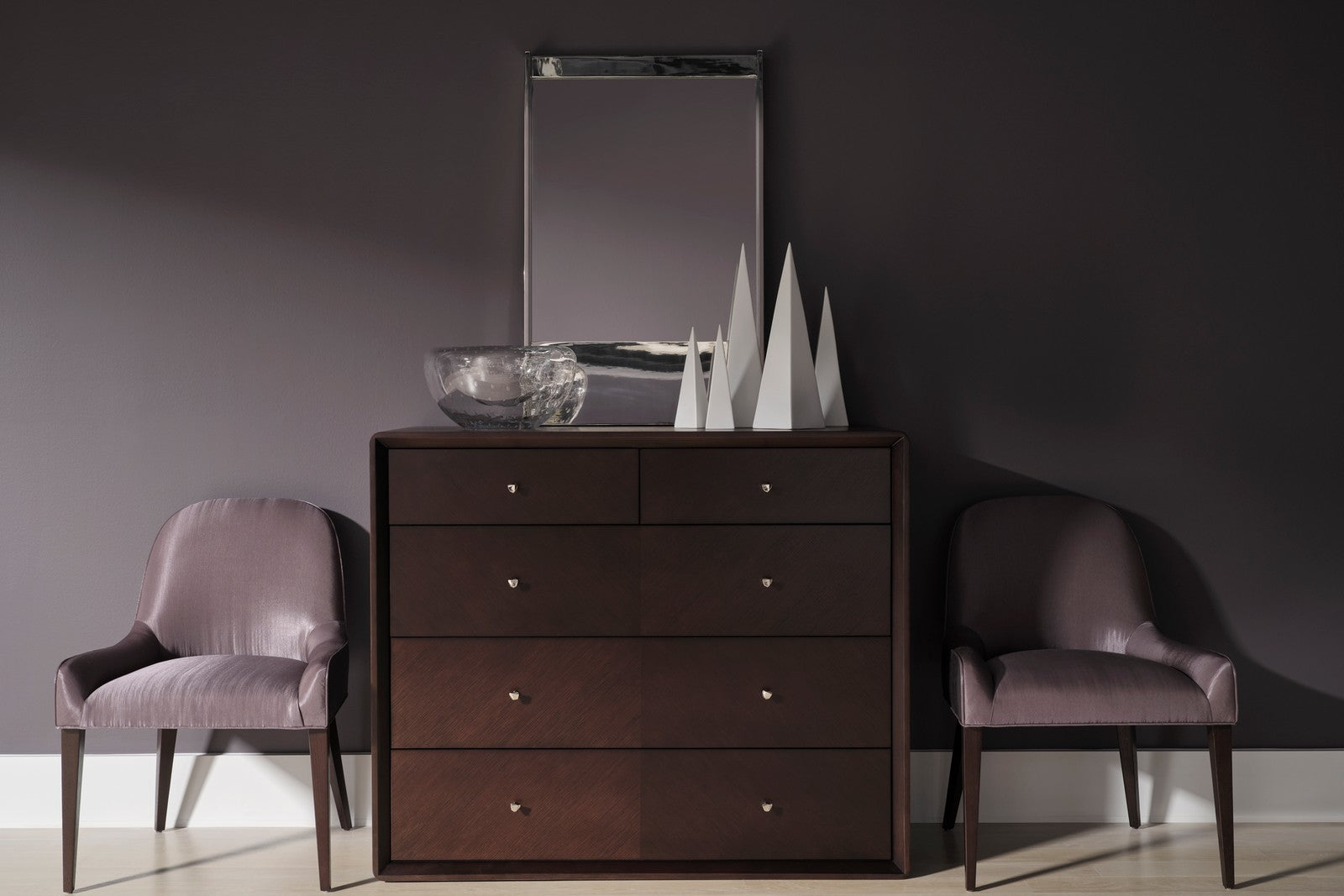
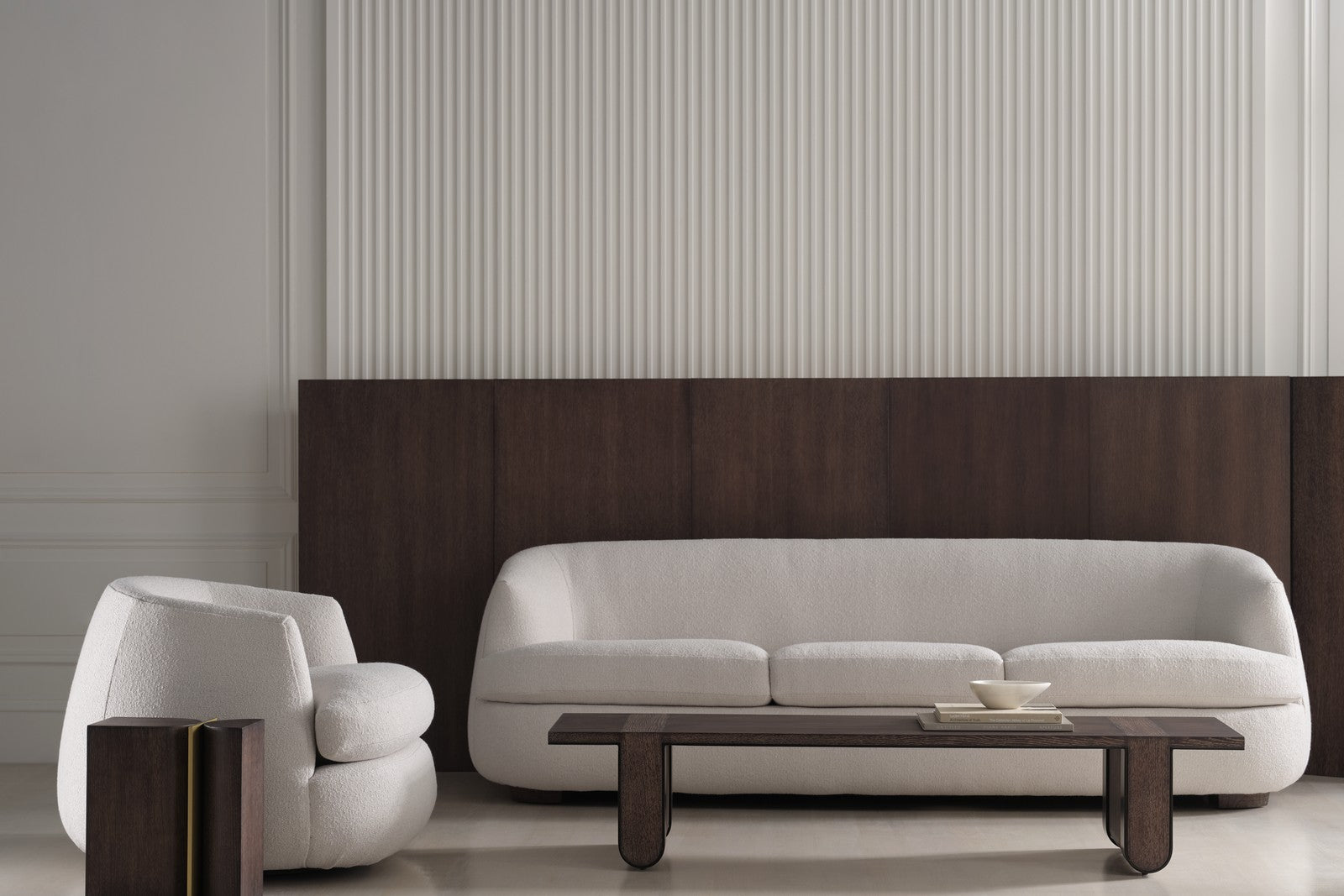
John Richard makes decorative furniture, lighting, mirrors, and accessories under a single artistic sensibility, so a room can be built from one source without reconciling competing design languages. Sutter & Vale carries the full range at the John Richard collection, specifically because the house goes further than most catalogs allow: into bold finishes, sculptural form, and material combinations that give a composed room its focal point.
What makes John Richard different from a typical furniture house?
John Richard sits where fine art and decorative furnishing meet. Most furniture houses stop at form and function. John Richard continues into territory more familiar to galleries: sculptural silhouettes, material mixing, and finishes that treat the object itself as something worth looking at. The result is a house where the accent piece, the lighting, and the mirror above a console share a design logic without looking matched in a catalog sense.
Can you really furnish an entire room from one source with John Richard?
Yes, and that coherence is the practical argument for working this way. When the console, the mirror above it, and the sculptural object on its surface all come from the same design philosophy, a room reads as composed rather than assembled. You are not hunting across five different sources trying to reconcile five different tonal languages. The decisions compress, and the result holds together.
John Richard produces across these categories:
- Decorative furniture: consoles, cabinets, and accent tables with sculptural profiles and bold surface treatments
- Lighting: table lamps, floor lamps, and pendants that treat the fixture as an object worth examining
- Mirrors: scaled and framed to anchor a wall or amplify a vignette
- Wall art and accessories: three-dimensional sculptural works that do what a flat print cannot
How do the sculptural botanicals function in a room?
They work as anchors, the way a painting would, but with dimension that catches light differently across the day. The White Peony Mix suits a broad wall where tonal restraint matters: ivory and soft gradations hold against pale plaster or a deep lacquered surface in equal measure. For a console or entry table that needs height, the Spring Magnolias rises to thirty-eight inches, enough to hold its own against a tall ceiling without a secondary piece propping it up.
Sizing before you order:
| Piece | Height | Suitable placement |
|---|---|---|
| Spring Magnolias | 38 inches | Console, tall niche, entryway |
| Snow Queen Hydrangeas | 27.5 inches | Side table, console, shelf |
| Coral Reef Botanical | 17.5 inches | Desk, smaller console, grouped vignette |
| Flower Garden Halo | 10.5 inches | Tabletop, tray styling, clustered grouping |
A standard rule: a sculptural object reads best when its tallest point clears the surrounding surface by at least twelve inches. Below that, it tends to disappear into the arrangement rather than lead it.
How do you build a room around John Richard pieces without overdoing it?
Start with one strong anchor, then let the remaining pieces support it rather than compete. If the focal point is a sculptural work on a console, the lighting beside it should be restrained in its own silhouette. If the lighting is doing something bold, the accessories around it can be quieter.
The material mixing the house is known for, glass, lacquer, metal, stone-inspired finishes, works because each material carries a distinct light quality. Placing them in the same room creates depth. Placing too many in the same corner creates noise. One strong piece, two supporting pieces, negative space: that proportion holds across most room sizes and ceiling heights.
Frequently Asked Questions
Is John Richard appropriate for contemporary interiors, or does it skew traditional?
John Richard works across both settings because the design sensibility leads with form and finish rather than period reference. A sculptural glass botanical reads in a minimal room the same way it reads in a more layered, traditional one. The piece carries its own internal logic.
How large should a sculptural wall piece be relative to the wall behind it?
A standard guideline is that art and sculptural work should occupy between one half and two thirds of the wall width above a piece of furniture. For a 60-inch console, that means a grouping or single piece in the range of 30 to 40 inches wide.
Can John Richard pieces be mixed with furniture from other houses?
Yes. Because John Richard focuses on the accent layer, its pieces are designed to complement rather than demand a matched suite. They integrate with furniture from other makers when the finish and scale relationships are considered with intention.
The Sutter & Vale Team