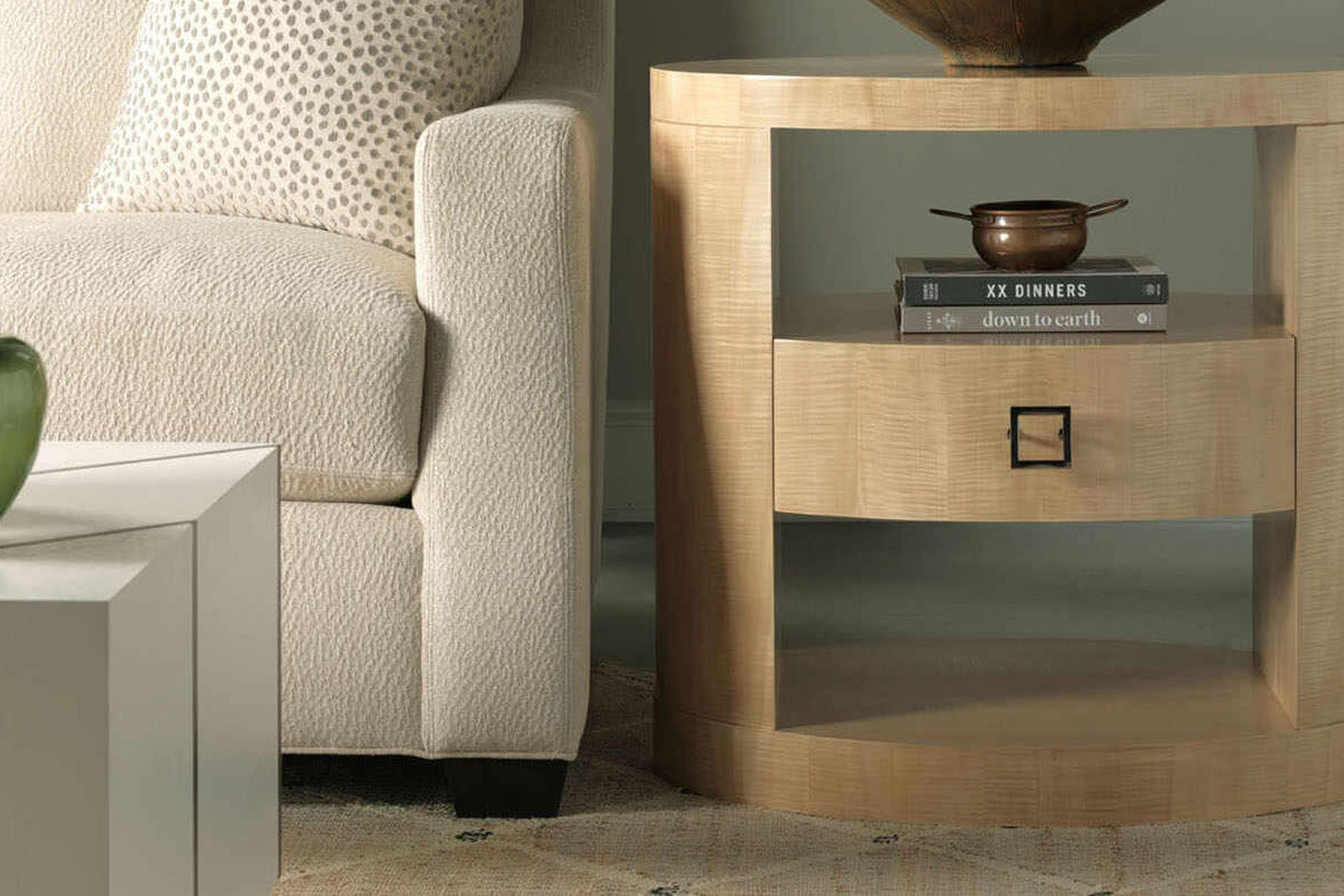
How to Care for Solid Wood Furniture
Solid wood furniture rewards simple, consistent habits. Dust regularly, control moisture and light, and protect surfaces from heat and spills. Century Furniture pieces, available through Sutter & Vale, carry hand-applied finishes built to last decades, so the care you give them compounds that investment over time.
What Does Day-to-Day Care Look Like?
Dust weekly with a soft, dry or slightly damp cloth, always moving with the grain. Microfiber works well. Avoid paper towels and rough cloths, which scratch a finished surface over time. For pieces like the Cruz Dresser or the Rohan Three Drawer Chest, where the finish is applied by hand across every surface, gentle handling preserves that work.
How Do You Protect the Finish from Damage?
Keep three things away from solid wood: standing water, direct heat, and prolonged direct sunlight.
- Use coasters under glasses and cups at all times.
- Place felt pads under lamps, vases, and decorative objects.
- Keep furniture at least 18 to 24 inches from heat sources such as radiators and vents.
- Draw blinds or shades during peak sun hours if a piece sits near a south- or west-facing window.
Sunlight fades and dries finishes over time. Heat causes the wood itself to crack or check at joints.
Should You Polish or Wax Solid Wood?
It depends on the finish type. For most lacquered finishes, a furniture polish formulated for lacquer is sufficient two to four times a year. For hand-waxed pieces, such as those in the Century line that receive a beeswax and carnauba wax pass as a finish option, re-waxing once or twice a year maintains the sheen and depth. Apply wax with a soft cloth, let it haze, then buff with the grain.
Avoid silicone-based sprays. They build up on the surface and can make future refinishing difficult.
How Do You Handle Humidity and Seasonal Movement?
Wood moves. It expands in humid months and contracts when the air is dry. The goal is a stable interior humidity, generally between 35 and 55 degrees on a hygrometer's relative scale. In dry winter climates, a room humidifier helps. In very humid summers, air conditioning and dehumidifiers keep swelling in check.
Solid hardwood pieces, including the maple, walnut, and mahogany constructions found across Century's dresser and chest collection, are built to accommodate that movement. Dovetailed drawer boxes allow the wood to expand and contract without pulling joints apart. Consistent humidity keeps that engineering working as it should.
What Do You Do When Scratches or Rings Appear?
Minor surface scratches on a lacquered or waxed finish can often be reduced with a touch of matching wax or a furniture repair marker in the appropriate wood tone. For deeper scratches or cloudy water rings that have penetrated the finish, a professional furniture refinisher is the right call. Attempting to sand or strip a hand-applied finish without experience risks removing the layered work underneath.
The Charleston 3 Drawer Chest and similar pieces carry finishes applied across roughly 25 steps in Century's Hickory, North Carolina workshops. That kind of finish is worth professional attention when real repair is needed.
Frequently Asked Questions
Can I use furniture wipes or all-purpose cleaners on solid wood?
Avoid all-purpose household cleaners on finished wood. Most contain ammonia, bleach, or solvents that strip or cloud the finish. Use products labeled specifically for finished wood furniture, and test in an inconspicuous spot first.
How often should solid wood furniture be refinished?
Under normal household conditions, a well-maintained piece should not need refinishing for many years. Signs that refinishing is due include persistent cloudiness, checking or crazing of the surface film, or spots where the finish has worn through to the bare wood.
Does solid wood furniture need to be kept away from exterior walls?
In very cold climates, exterior walls can experience temperature swings that affect the wood nearest to them. Keeping a few inches of clearance between the back of a case piece and an exterior wall allows air to circulate and prevents moisture from becoming trapped, which can cause finish problems over time.
The Sutter & Vale Team