What Makes a Dining Chair Comfortable
A dining chair is comfortable when seat height, depth, back support, and foam quality work together for the way you actually sit. Fairfield Chair builds those factors into its dining collection, available at Sutter & Vale. Get any one of them wrong and the chair will feel fine for twenty minutes, then start to wear on you.
What Seat Height and Depth Should You Look For?
Seat height and depth matter more than any other dimension. For a standard dining table, a seat height of 17 to 19 inches keeps your thighs parallel and your feet flat on the floor. A seat depth of 15 to 18 inches supports the thigh without pressing behind the knee.
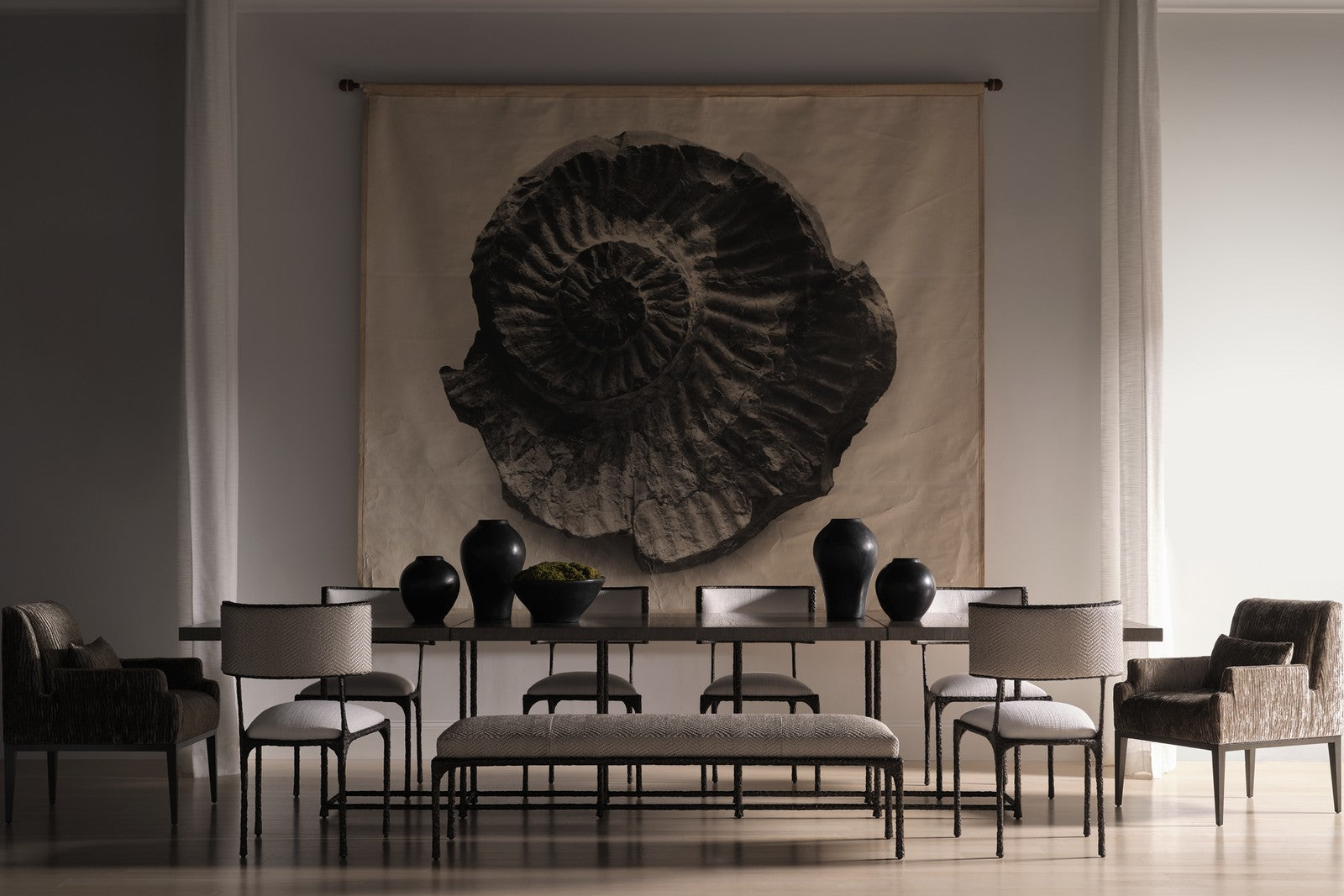
Browse the Fairfield dining chairs and you will find depths that land in that range. The Bedford Side Chair measures 25.5 inches deep overall, with the usable seat depth falling inside the comfort zone once the back frame is accounted for.
Does Foam Grade Actually Make a Difference?
Yes, and it is one of the most overlooked specifications on any product page. High Resiliency foam returns to its original shape after each use. Standard foam compresses and stays compressed over time. Fairfield uses High Resiliency 40 in dining seat cushions across the collection, which means firm support that does not turn soft after a year of regular meals.
Several chairs also carry High Resiliency 20 in the back, which gives the spine a little give where firmness would feel punishing.
How Do Spring Construction Choices Affect Comfort?
Spring type determines how the seat responds under your weight. Here is a plain comparison:
| Spring Type | Feel | Where You See It |
|---|---|---|
| Arched Springs | Firm, lively rebound | Bedford Side Chair |
| Sinuous Springs | Smooth, stable, even | Concave Short Back series |
Arched springs feel slightly more traditional under you. Sinuous springs are quieter and distribute weight evenly across the seat pan. Choose based on the feel you want, not on which type sounds more substantial.
Should You Choose an Arm Chair or a Side Chair?
Arm chairs add lateral support, which reduces shoulder and upper-back tension during long meals. Side chairs keep the silhouette narrow, which helps around smaller tables.
- Side chairs in the Concave Short Back series run 19.5 inches wide
- Arm chairs in the same series run 23 inches wide
- The Concave Short Back Skirted Arm Chair at 23 inches wide still pulls in comfortably at most standard table settings
A common approach: arm chairs at the table ends, side chairs along the sides.
Frequently Asked Questions
How firm should a dining chair seat be?
Firm enough that you do not sink and lose posture, but with enough give that you are not sitting on a hard surface. High Resiliency 40 foam, as used across Fairfield's dining seats, hits that balance for most adults at the table.
Does back height matter for dining chairs?
It matters for support and for how the chair reads in the room. A short back, like those in the Concave series at 36.5 to 37 inches overall, keeps sightlines open across the table and suits most dining room scales without dominating the space.
Can I use dining chairs for long work-from-home sessions?
Dining chairs are built for meals, not all-day sitting. For sessions longer than two to three hours, a task chair with lumbar adjustment is the appropriate tool. Dining chairs support posture well during a meal, but they are not designed for extended seated work.
The Sutter & Vale Team