How to Mix Wood Tones in One Room
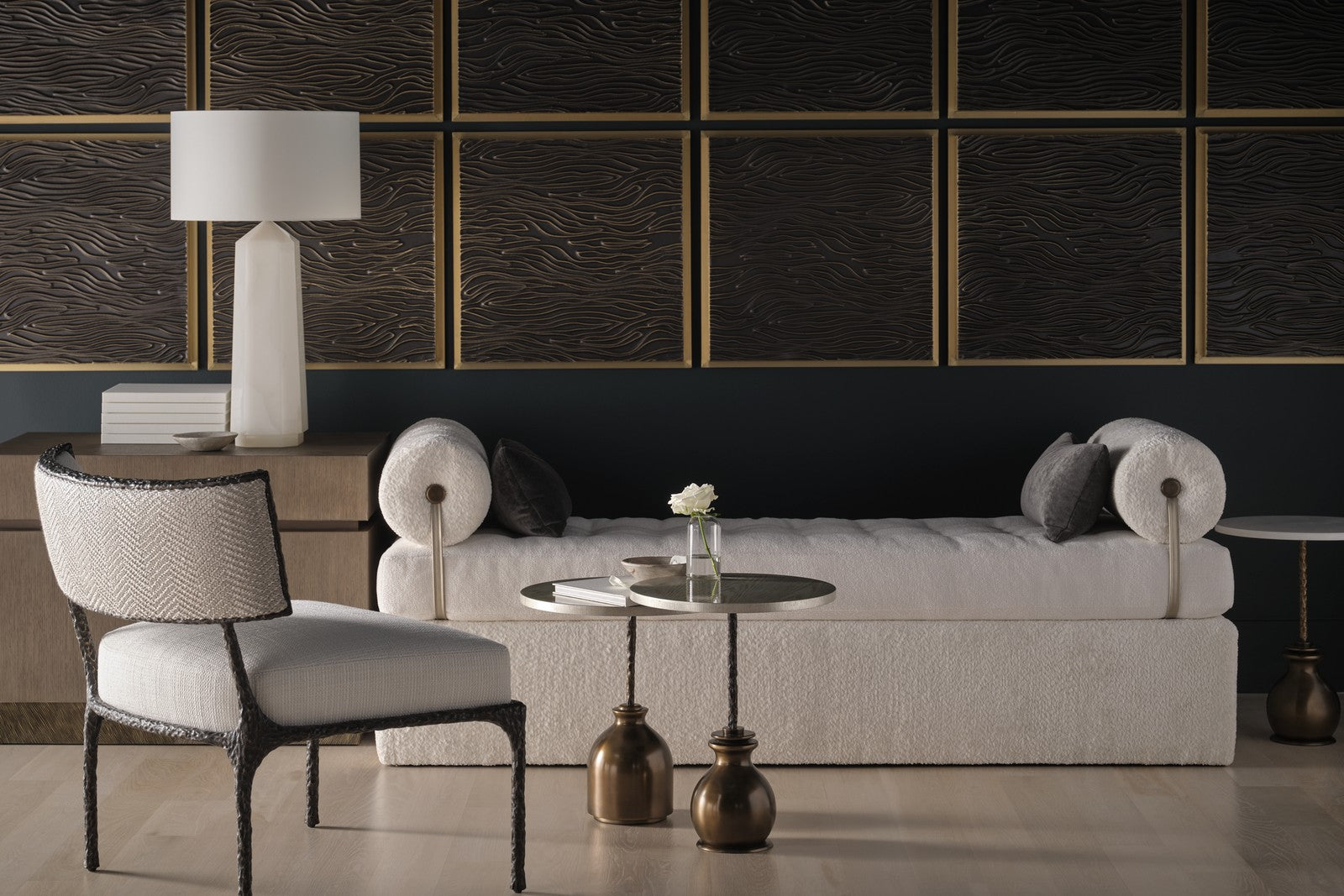
Mixing wood tones in one room works when you anchor the space with one dominant tone and let one or two others support it. Century Furniture, available through Sutter & Vale, makes this practical: its finish program spans warm, cool and neutral wood tones across a coordinated line, so you can browse the full living collection and build a room that holds together without every piece matching.
How Do You Choose a Dominant Wood Tone?
Pick one tone for the largest piece in the room and let it set the temperature. If your floors run warm, a rich brunette on the dining table reads as a considered choice. If your floors are pale or cool, a greige-finished surface on the largest piece keeps the room from feeling heavy.
A simple framework:
| Role | Share of wood surface | Temperature |
|---|---|---|
| Dominant | Largest | Matches or complements the floor |
| Secondary | Middle | One step warmer or cooler |
| Accent | Smallest | Contrast: lighter, darker or different grain |
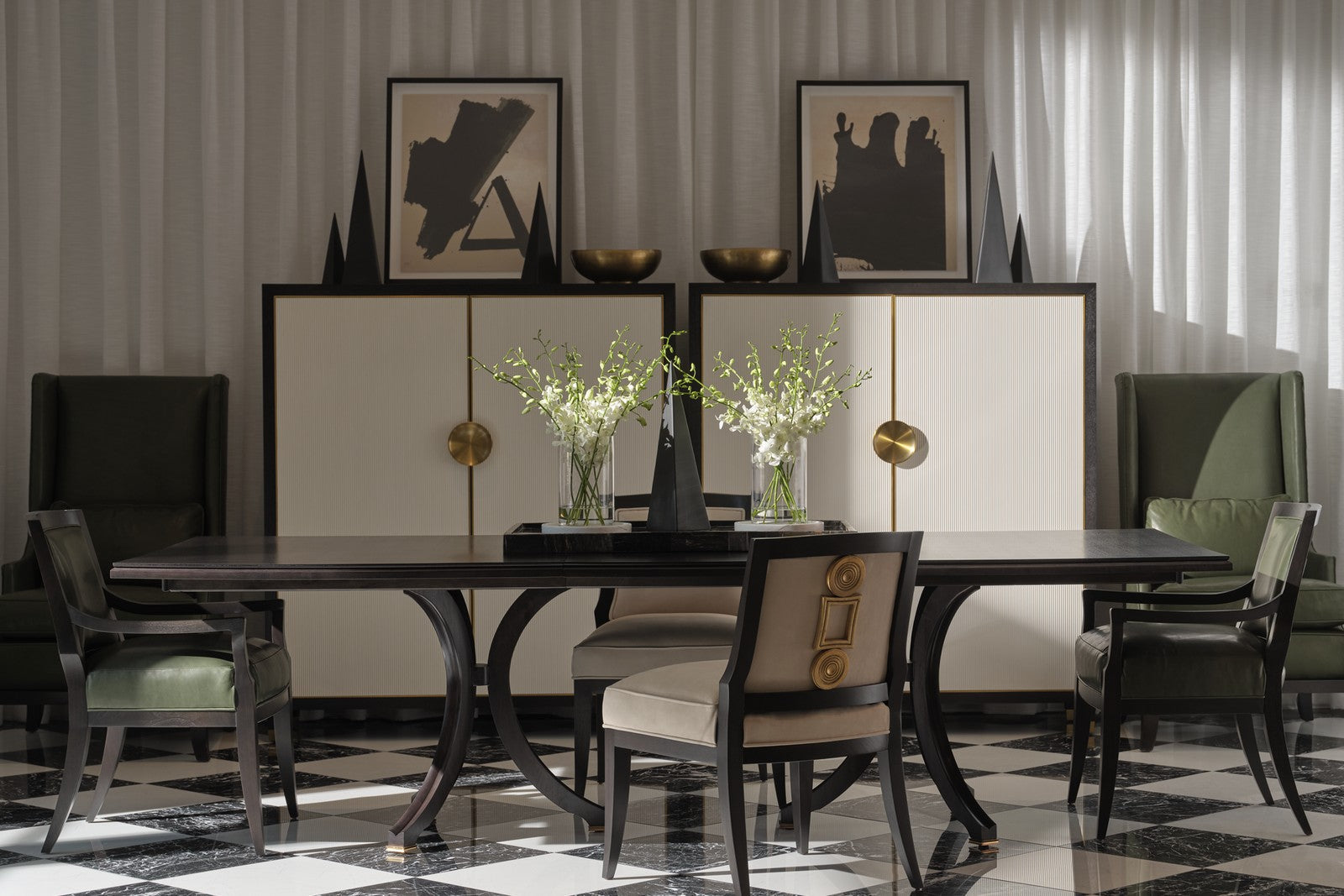
The Manning Rectangular Dining Table in Brunette works well as a dominant piece. Its elongated silhouette is grounded and warm, giving the room a clear center of gravity.
How Many Wood Tones Can One Room Hold?
Three is the practical limit: one dominant, one secondary, one accent. Go beyond three and the room starts to feel assembled rather than arranged.
In a dining room, the table takes the dominant role. Chairs in a related but distinct tone serve as the secondary. A console or sideboard in a third finish acts as the accent. The Marten Dining Side Chair in Greige pairs well with a brunette table because greige occupies the middle ground: warm enough to relate, cool enough to read as distinct.
Does Sheen Level Matter When Mixing Tones?
It matters as much as color. A matte finish and a high-sheen finish in the same wood tone will read as two different materials under the same light. Keep sheen levels consistent across the room, or use one high-sheen piece as a deliberate accent.
Century specifies sheen numerically across its casegoods: Low (5, 10), Medium (20, 30), High (50, 70). Knowing the sheen level of each piece before ordering lets you make that call with confidence, not guesswork.
What If the Room Already Has Fixed Wood Tones?
Treat fixed elements, floors, built-ins, architectural millwork, as your starting point rather than a constraint. You are building a relationship with them, not trying to match them.
A few practical notes:
- Floors with orange-amber tones benefit from a cooler secondary wood, such as greige or a Gustavian-finished piece, to balance the temperature.
- Dark built-ins read as backdrop. A medium-tone table placed in front of them will stand forward rather than disappear into the wall.
- If the floor and built-ins share the same tone, you have room to introduce contrast at the furniture level without the room feeling chaotic.
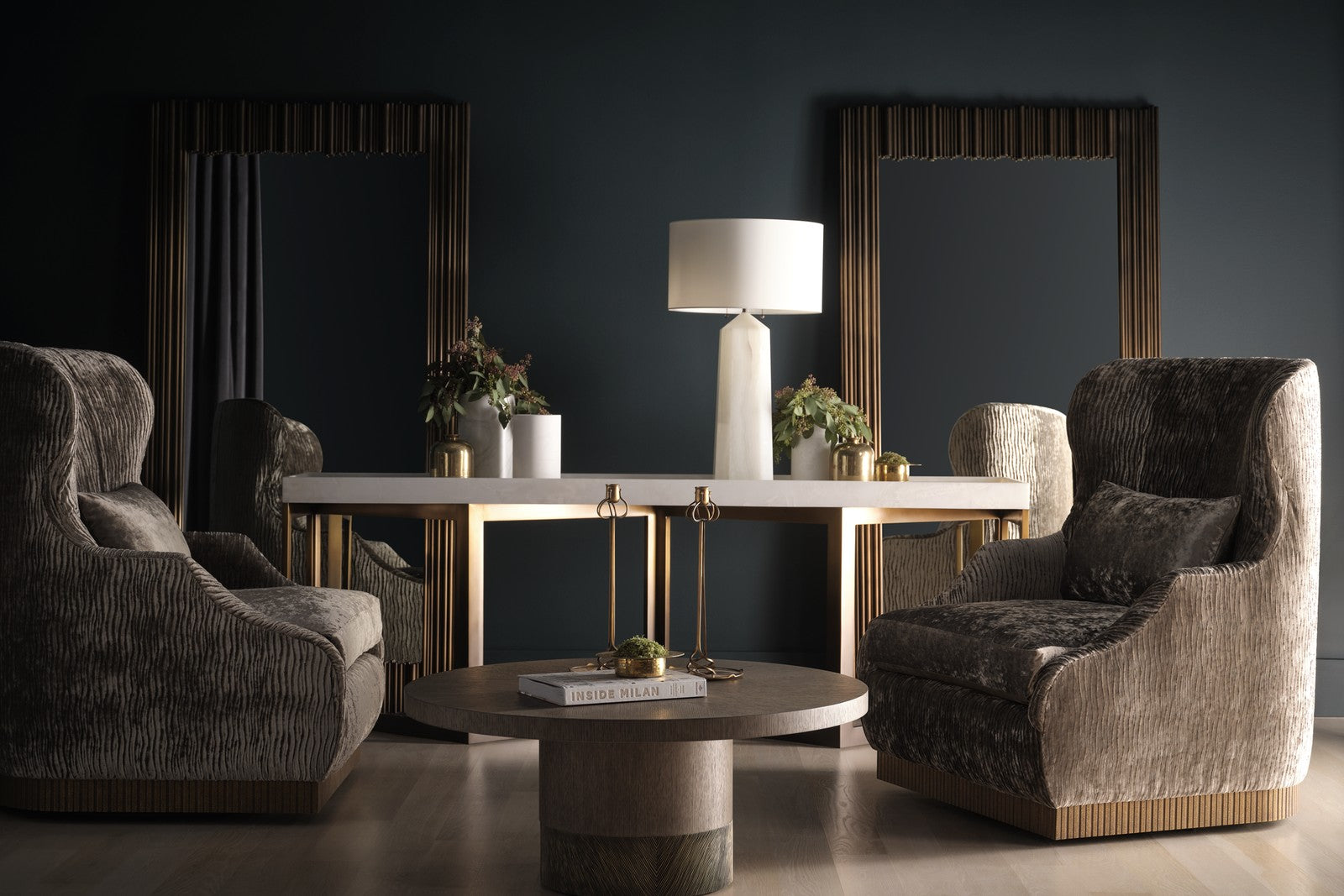
The Folsom Console Table in Greige is useful here. Set against a darker wall or built-in, its lighter tone creates separation and lets the background recede.
Frequently Asked Questions
Can greige and brunette finishes work together in the same room?
Yes. Greige sits between warm and cool on the wood-tone spectrum, so it relates to warmer brunette tones without competing with them. The contrast reads as intentional rather than accidental.
Should wood tones in furniture match the floor?
They should relate, not match. An exact match tends to flatten a room, causing floors and furniture to merge visually. A deliberate step in tone or depth between the two gives each surface its own presence.
Does Century's finish program make tone-mixing easier to plan?
It does, because Century publishes specific finish names, sheen grades and distressing levels for each piece. You can confirm the exact finish of a dining table and a console before ordering, rather than relying on approximations from a catalog photograph.
The Sutter & Vale Team