How to Mix Metals in a Room
Two or three metal finishes give a room depth and a collected quality without tipping into chaos. One finish reads flat; four or more becomes noise. Sutter & Vale carries Global Views decorative accessories that make this approach easy to execute, from gilded sculptural objects to pieces that pair warm and cool finishes in a single form.
How Many Metal Finishes Can You Use in One Room?
Two to three is the reliable range. Assign each finish a role and hold to it.
| Role | How often it appears | Examples |
|---|---|---|
| Anchor | 3 or more pieces | Sconces, cabinet pulls, floor lamp |
| Secondary | 2 pieces | Side table base, decorative tray |
| Accent | 1 to 2 pieces | Small sculptural objects |
One finish should appear most often, across lighting, hardware, and larger objects. The secondary finish follows on smaller accent pieces. A third finish, if you want it, appears only once or twice in sculptural objects small enough to move.
Which Metal Finishes Work Best Together?
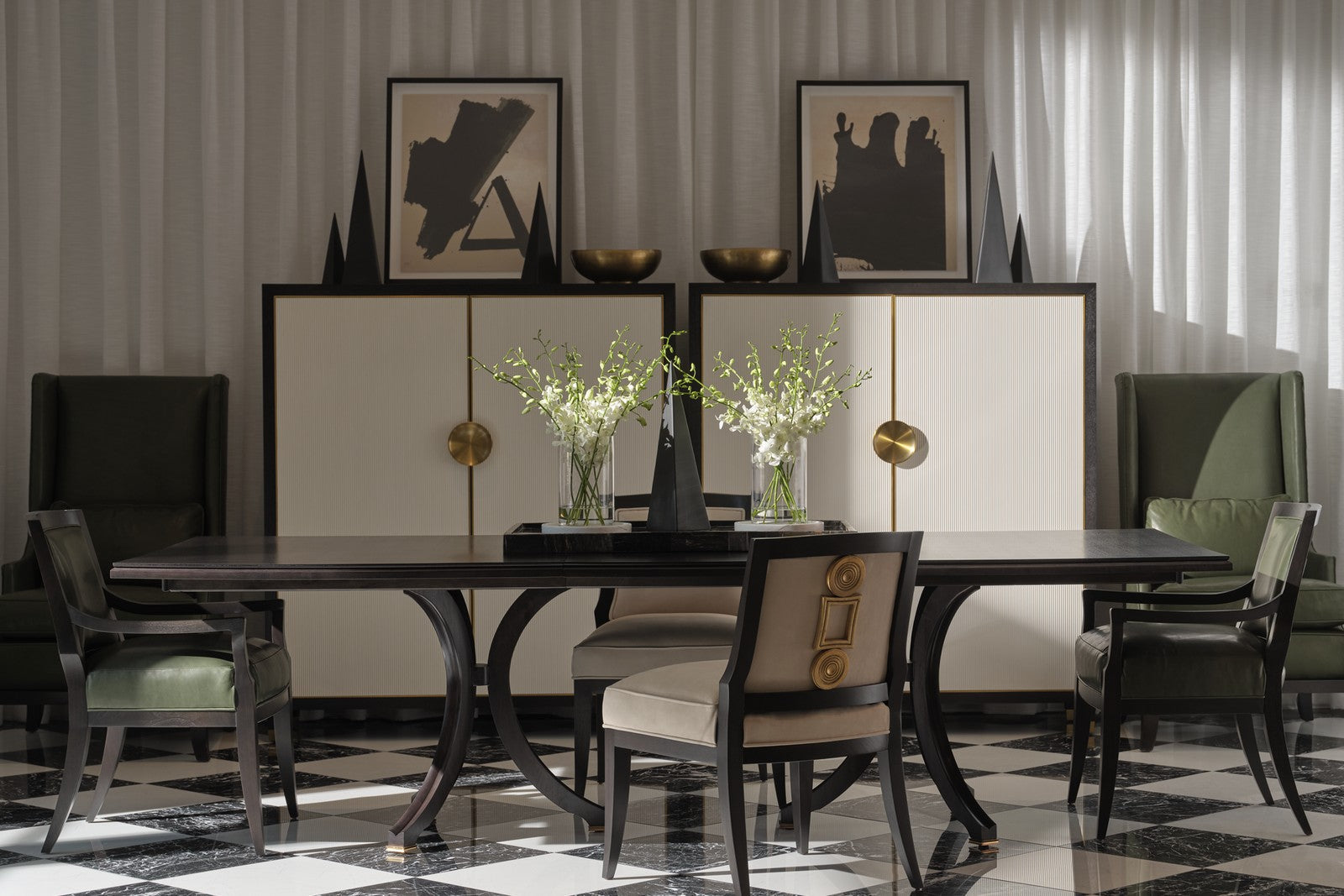
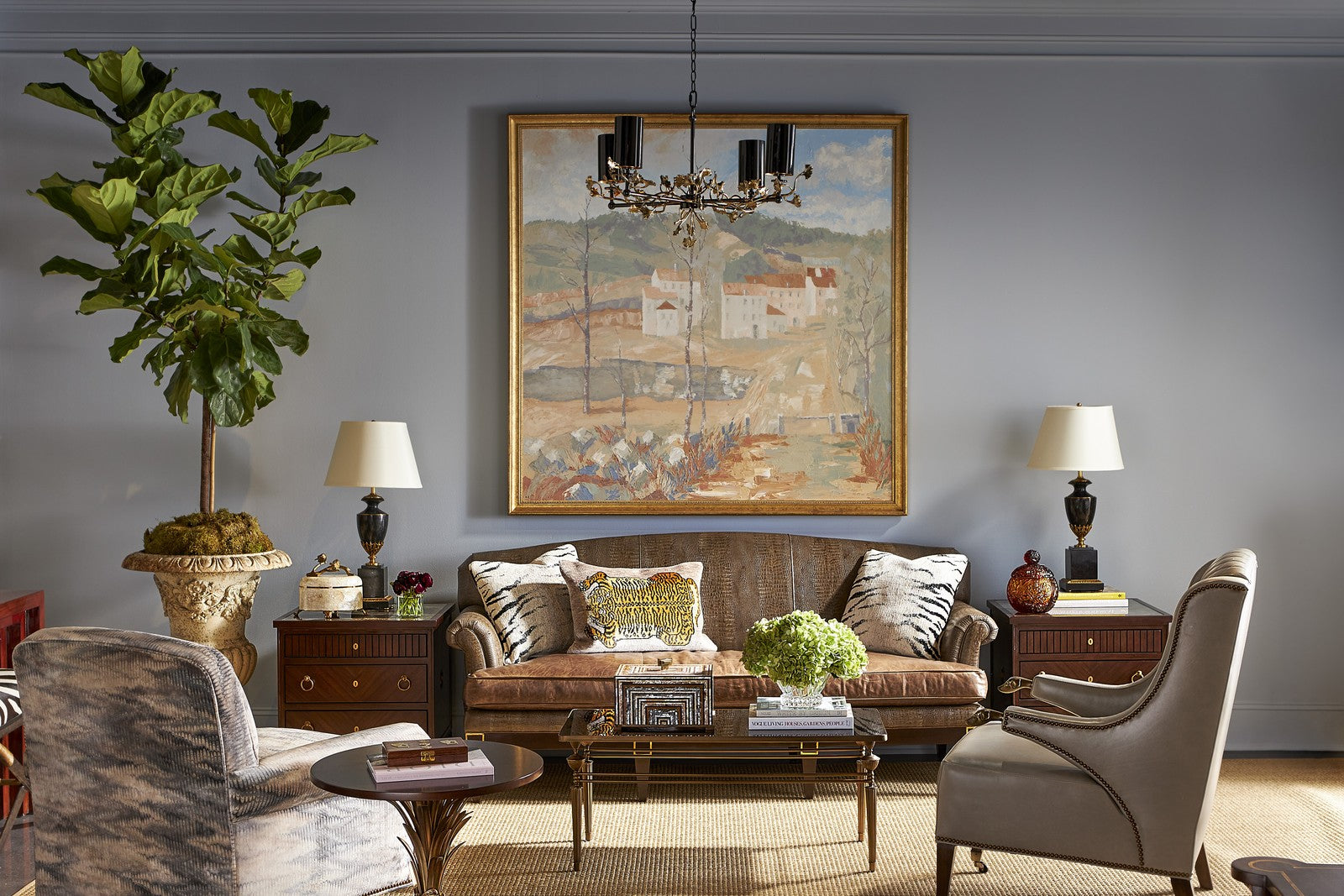
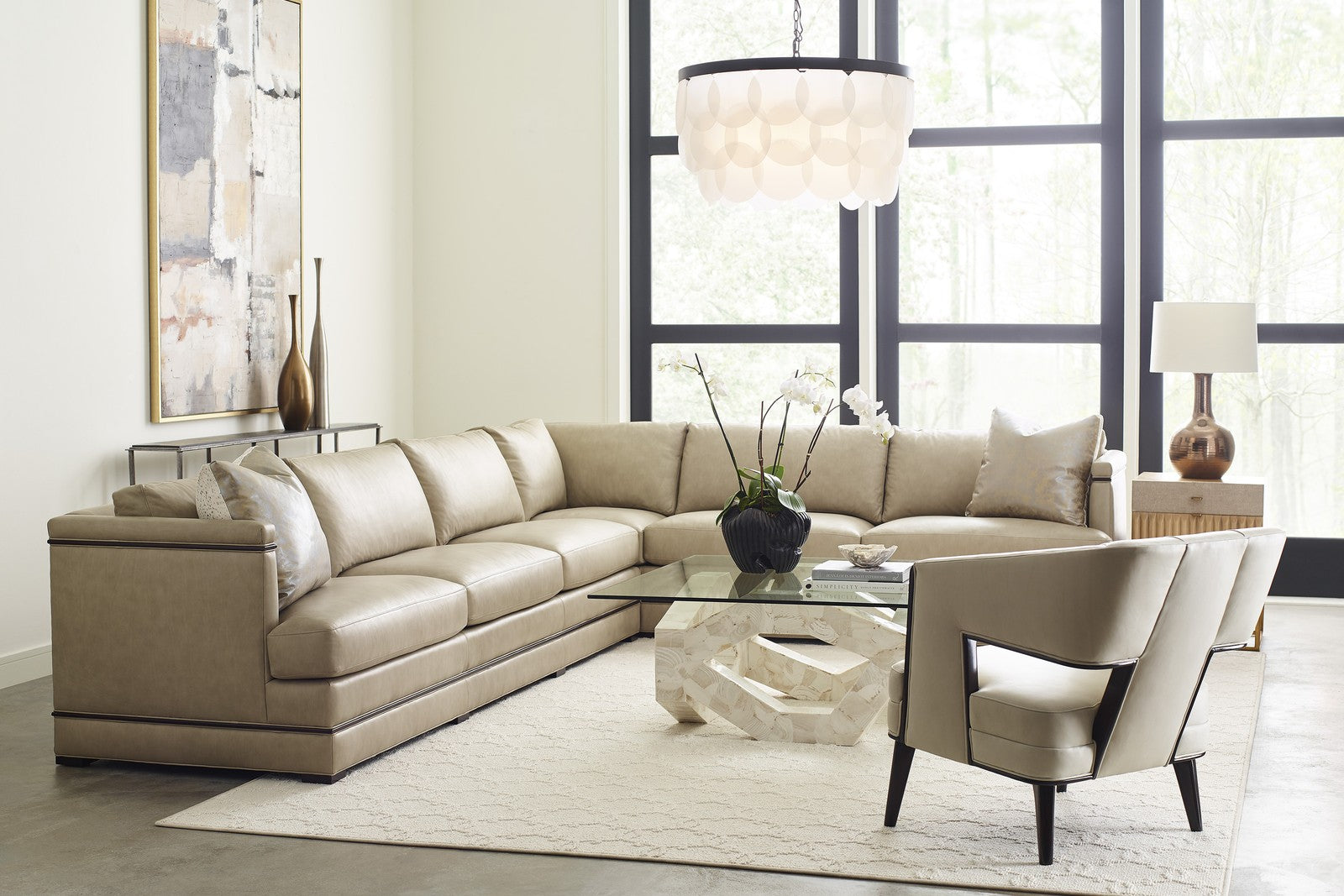
Warm with warm, or warm with one cool contrast. Brass and bronze together feel grounded. Brass against matte black reads sharp and graphic. Two cool finishes, such as nickel and chrome, benefit from at least one warm note somewhere in the room to prevent the palette from going cold.
The Labrador with Brass Hat from Global Views shows this at the object level: a charcoal-black base meets a gleaming gilded top. The contrast holds because one finish is warm and one is dark and matte. They are not competing; they are answering each other.
Where Should Each Finish Land in the Room?
Spread each finish across different heights and across the room's four quadrants. If brass appears only on one console, the eye gets stuck there. Move it to a shelf, a lamp, and a small object on the opposite wall, and the finish becomes a thread that pulls the space together.
For the accent role, a piece that carries the metal finish lightly works best. The Shells on Marble Miter Gold Leaf, Medium does this well: a gilded shell rests on a matte white plinth, so the gold registers without overwhelming. You can browse the full Global Views range in decor to find pieces that carry your chosen accent finish at the right scale.
How Do You Keep Mixed Metals from Looking Accidental?
Repeat each finish at least twice, and let non-metal materials separate them. Stone, wood, ceramic, and alabaster act as visual buffers between different finishes. The Jigsaw Swivel Box in Alabaster, placed between two different metal objects, gives each finish its own space to read clearly without the two finishes directly competing.
Frequently Asked Questions
Can I mix gold and silver finishes in the same room?
Yes, with restraint. Let one finish anchor the room and use the other on one or two smaller objects. The contrast reads best when the two finishes have different surface qualities, such as a burnished gold beside a brushed nickel, rather than two high-polish finishes placed side by side.
Does mixed-metal styling work in small rooms?
It works well in small rooms because the variety adds visual interest without adding physical mass. Keep the anchor finish consistent with your largest fixed elements, such as a light fixture or window hardware, and reserve accent metals for objects small enough to move or swap out.
Should metal finishes in a room match the kitchen hardware?
Not necessarily. Rooms separated by walls or a change in flooring can carry different metal palettes. In open-plan spaces, sharing at least one finish between zones creates a visual connection, but an exact match throughout an entire home tends to feel more like a showroom than a residence.
The Sutter & Vale Team