How to Choose an Accent Chair That Fits the Room
Choose an accent chair by matching its footprint to your available floor space, its seat dimensions to the people using it, and its visual scale to the nearest large piece of furniture. Sutter & Vale carries the full Jessica Charles line, American bench-crafted seating built around proportion and longevity, in the accent chairs collection.
How Much Floor Space Does an Accent Chair Actually Need?
The chair needs more room than its footprint alone. Account for walkways, swivel clearance, and the space between the chair and neighboring pieces.
- Walkways: 30 inches minimum on any side that faces foot traffic; 36 inches is more comfortable
- Between two chairs: 18 inches of breathing room if they sit side by side
- Away from the sofa: 18 inches minimum keeps conversation easy without crowding
- Swivel clearance: Add at least 6 inches beyond the seat depth on all sides for a chair that rotates
What Seat Height and Depth Should I Look For?
For most adults, a seat height of 17 to 19 inches puts feet flat on the floor. A seat depth of 20 to 22 inches suits a range of body types without forcing anyone to perch or slump. If the chair will share a conversation area with a sofa, keeping their seat heights within 2 inches of each other makes the room read more settled.
Fixed or Swivel: Which Makes More Sense?
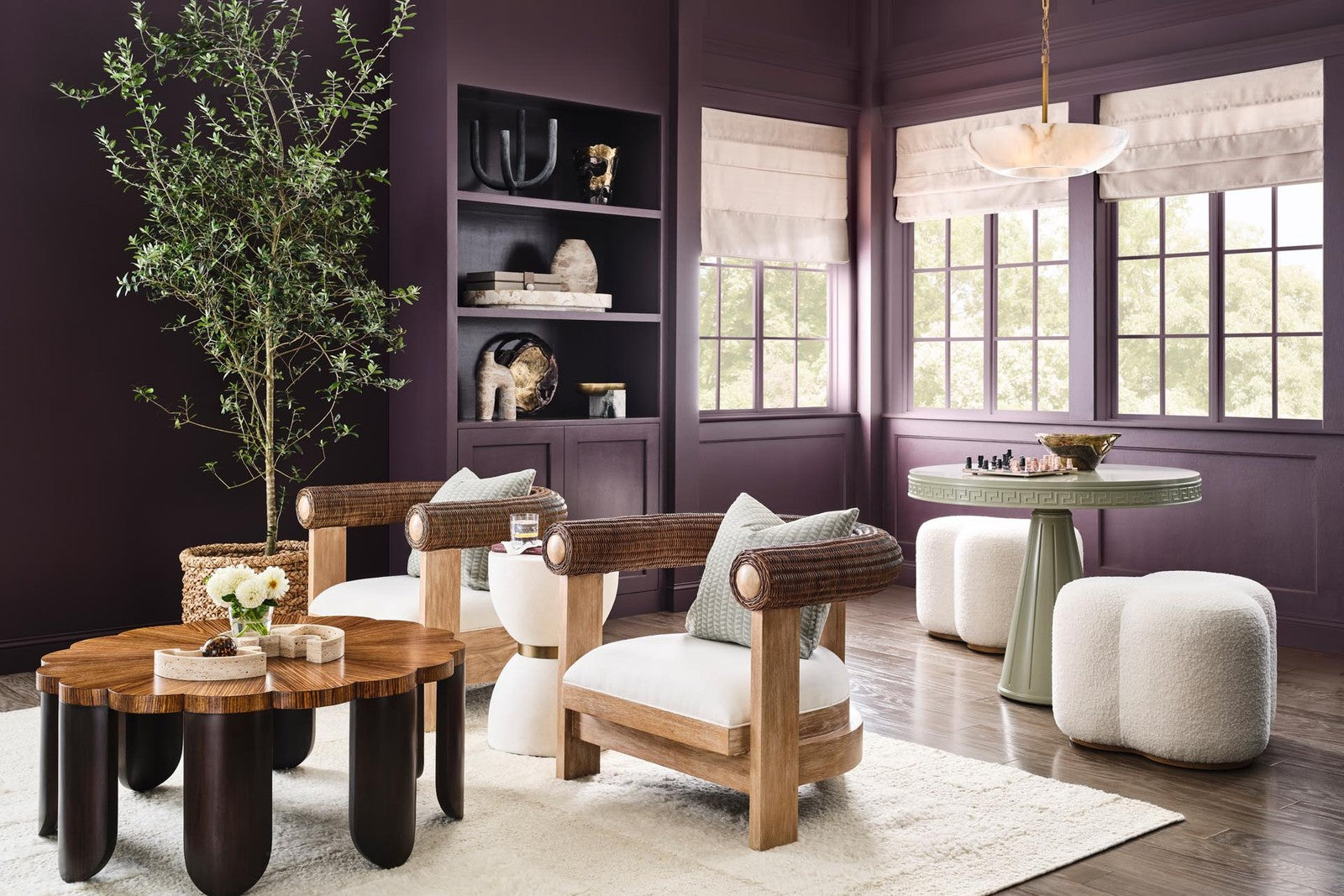
A swivel base earns its place in rooms where the chair has to face multiple directions: a fireplace on one wall, a television on another, or a wide open floor plan. The Walton Swivel Chair and the Carmela Swivel Chair show how a swivel can read as composed and stationary until it needs to move.
A fixed chair anchors more firmly as a visual statement. It suits corners, bay windows, and spots beside a fireplace where the sightline is already set.
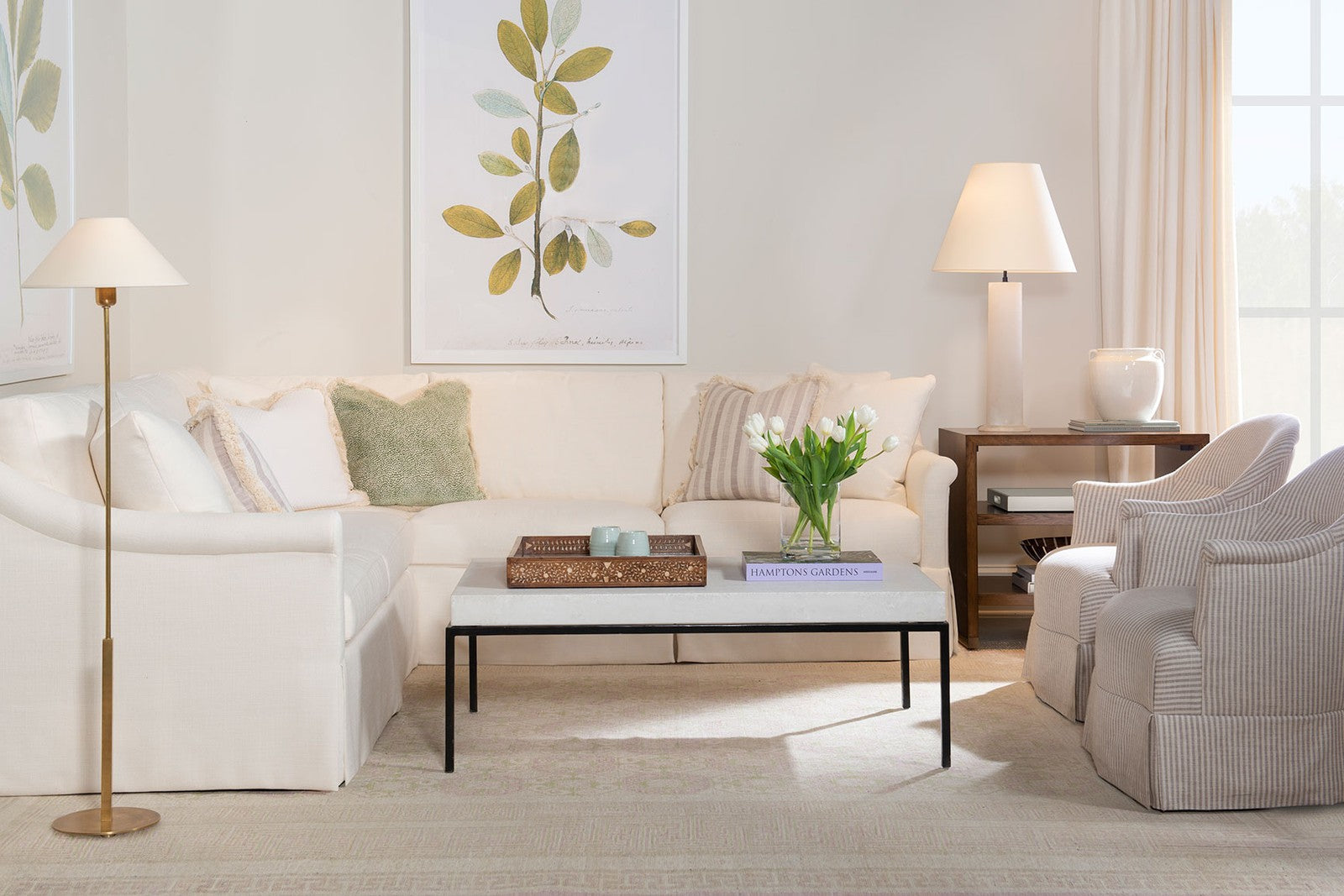
How Do I Match the Chair's Scale to the Rest of the Room?
Scale is proportion, not size alone. A low, wide chair reads heavy next to a lean sofa. A tall, narrow back reads restless next to substantial case pieces.
| Room situation | What to look for |
|---|---|
| Large sectional sofa | Chair with a generous seat and substantial frame |
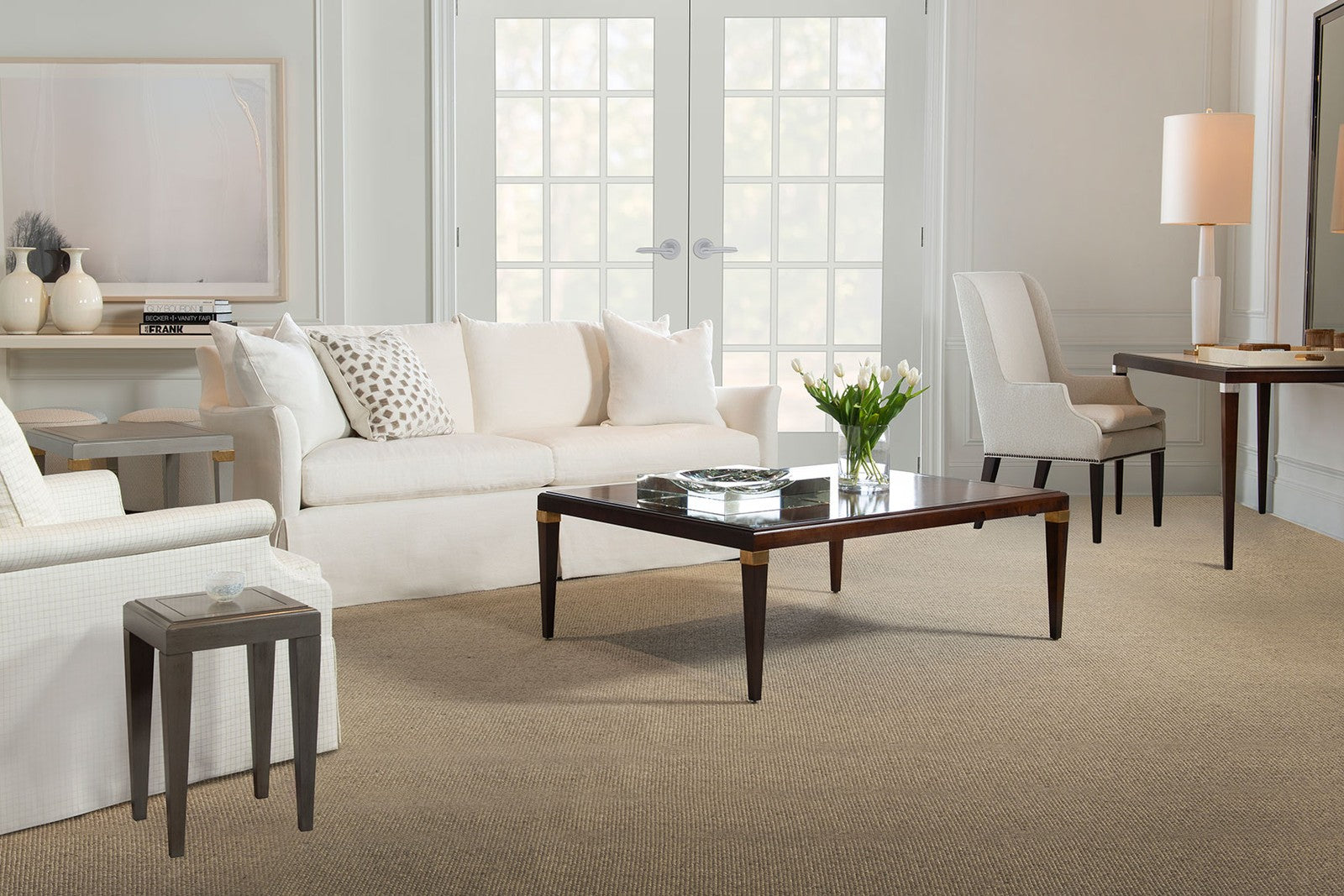
| Paired side chairs | Match seat heights; vary back profiles for interest |
| Small reading corner | Tighter footprint, higher back for support |
| Open plan room | Swivel base so the chair engages the whole space |
Jessica Charles builds American bench-crafted frames tailored to the line of each piece, which means the proportions are resolved before fabric enters the conversation.
Frequently Asked Questions
Can an accent chair work in a bedroom?
Yes. Place it at least 18 inches from the foot of the bed and leave a clear path to the door. A chair with a tighter footprint works best in a bedroom because floor space is usually at a premium.
How do I know if a swivel chair will feel stable on carpet?
Swivel chairs perform well on low-pile carpet. On deep-pile or shag carpet, the base can rock slightly because the pile compresses unevenly. A hard floor or a flat area rug under the chair gives the most stable result.
Does fabric choice affect how a chair reads in a room?
It does, and in two directions. A cover that matches the wall color pulls the chair back visually, making it feel quieter. A contrasting cover brings the chair forward. The Penelope Chair in Tobago Slate Blue and Eisley Spa shows how a two-fabric treatment can ground the chair while giving the back its own presence.
The Sutter & Vale Team