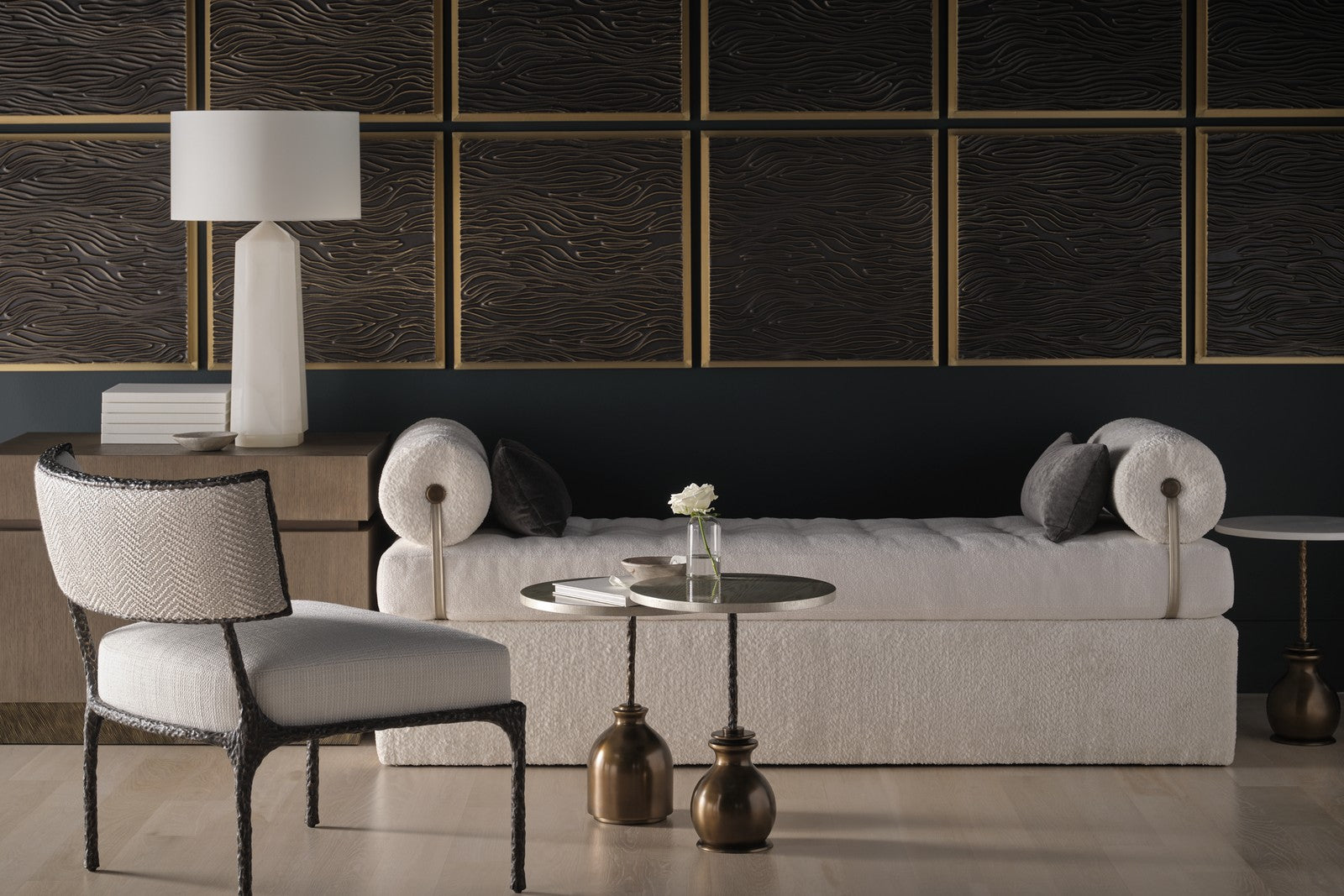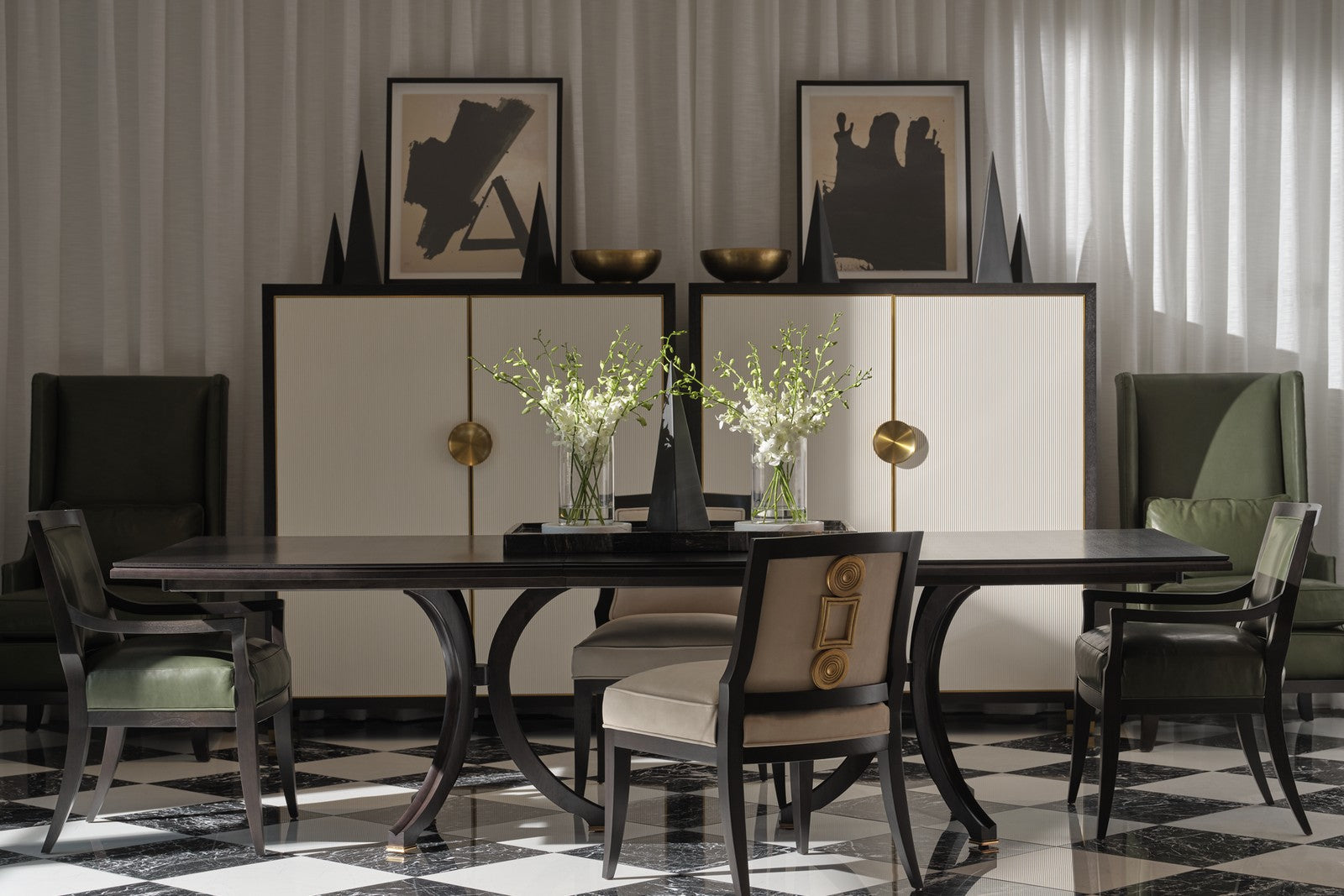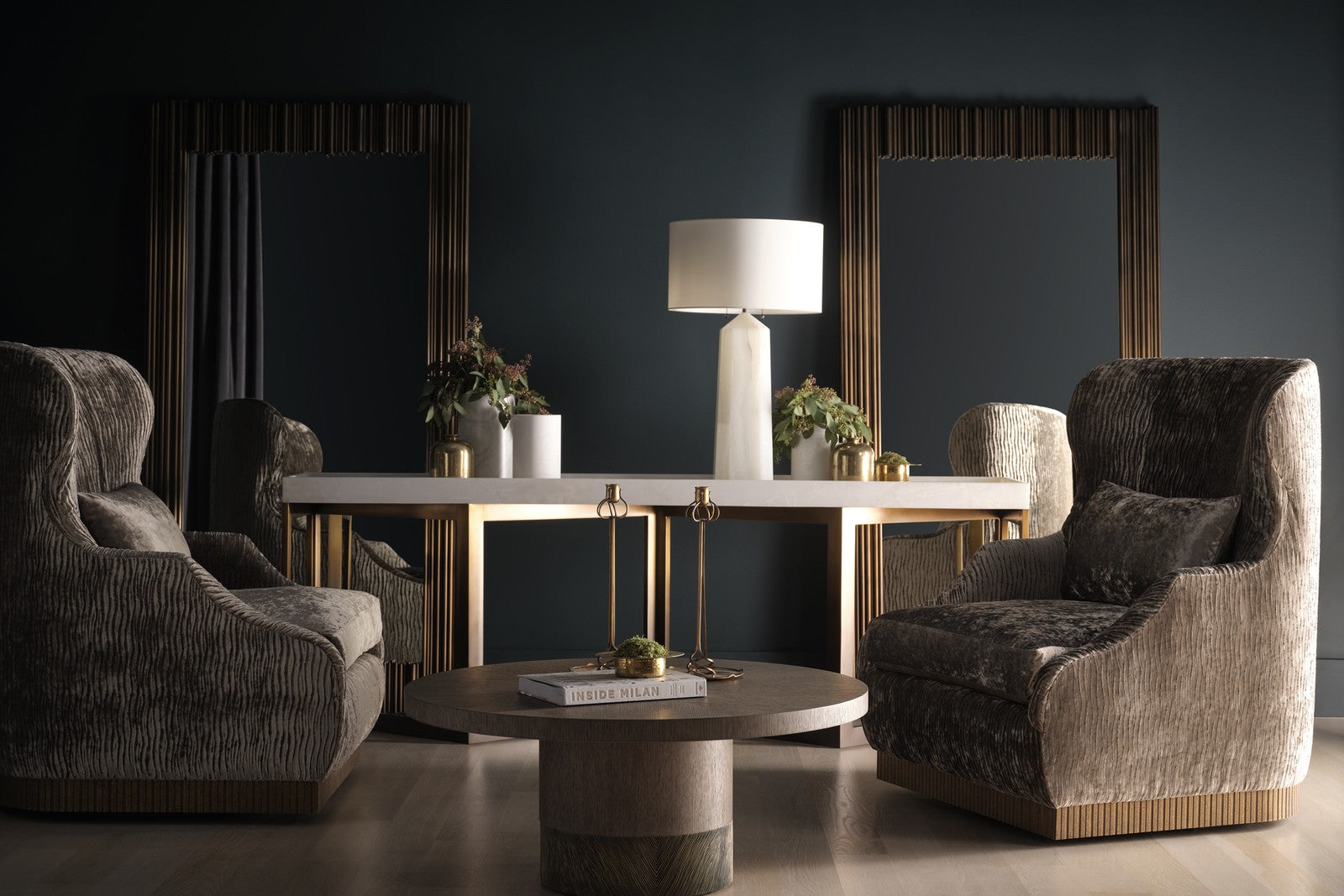
Global Views and the Art of the Unexpected Accent
Global Views brings together decorative objects drawn from design traditions across multiple continents, giving each piece enough individual character to anchor a room without locking it into a single aesthetic. At Sutter & Vale, the Global Views collection works as a finishing layer: the objects that give a space somewhere to look after the furniture is placed.
What Makes Global Views Different From Other Decorative Object Lines?
The range is the point. Most decorative lines read as accessories chosen to match a room. Global Views objects read as objects chosen to complete one. That distinction matters when you are placing a vase on a console that already carries a lamp, a mirror, and a stack of books. You need something that holds its ground without overwhelming what is already there.
The collection draws on form traditions from around the world. Silhouettes can be architectural, biomorphic, or abstract, sometimes all three in a single piece. The result is a line that layers into almost any interior without looking like it arrived from the same source as everything else.
How Do You Choose the Right Vase Scale for a Surface?
The surface tells you the answer before you choose the object. A tall, narrow vase belongs where vertical space is open above it. A squat, wide vessel works where height would cross sightlines or crowd a tabletop.
| Surface height | Vase form to reach for |
|---|---|
| Entry console, 30 to 34 inches | Tall silhouette, 18 inches or above |
| Dining table, 30 inches | Mid-height, wide-bodied |
| Coffee table, 16 to 18 inches | Squat, low-profile |
| Mantel, 54 inches and above | Single tall piece or a grouping of three |
The Adama Vase in Black, Tall pairs a flared trumpet neck with a teardrop base pinched to a razor-thin waist. Place it solo on a narrow entry console and it reads as sculpture before it reads as vessel. The Adama Vase in Terracotta, Short carries an arched, bridged foot that reads well at eye level on a lower surface, where the negative space beneath the body is visible and contributes to the form.
How Do You Mix Finishes Without Losing Cohesion?
Choose one material language and vary the color within it. The Adama vases share the same chalky, matte, sand-textured surface across every colorway. That shared finish is the thread that holds a grouping together. You can place the charcoal version beside the terracotta and the ivory on the same surface, and the arrangement reads as a considered group because the hand of the material is consistent across all three.
Where finish varies, let form be the constant. The Abstract Sculpture in Iris Gelp has an amber-gold, glossy, mottled surface with hollowed shell-like apertures. Its finish differs entirely from a matte Adama body. To keep a grouping from fragmenting, repeat the organic silhouette instead. The asymmetrical peaks of the sculpture and the biomorphic base of an Adama vase share enough formal language to sit near each other without conflict.
Where in a Room Do Decorative Objects Do the Most Work?
Three surfaces earn the most return from a well-chosen object.
- The entry console. It is the first surface a visitor sees. One strong vertical piece with a contrasting squat object beside it sets a tone for the whole house.
- The living room mantel. Scale up here. A single tall vase centered on a long mantel looks spare. A grouping of three, varied in height, fills the horizontal run without crowding it.
- The dining room sideboard. Objects here are read from across a table, so silhouette matters more than surface detail. Choose forms with clear, readable outlines.
The coffee table is a fourth option. Keep objects low and leave room for daily use. Nothing taller than 10 to 12 inches works well on a standard 16-to-18-inch coffee table without interrupting conversation.
Frequently Asked Questions
Can Global Views vases hold fresh or dried flowers?
Many of the vases in the collection are functional vessels capable of holding water and fresh stems. For dried arrangements, any of the forms work without restriction. If you plan to use fresh flowers, confirm the interior finish on the product detail page before adding water.
How many objects are too many on one surface?
Most professional interiors use odd numbers, grouping three or five pieces with clear negative space between them. If a surface starts to look busy, remove the smallest object first and assess the arrangement before adding anything back.
What is the best way to clean matte-finish ceramic objects?
A dry or slightly damp microfiber cloth handles dust and light surface marks on matte ceramic. Avoid abrasive cloths or liquid cleaners, which can alter a chalky finish over time.
The Sutter & Vale Team